Our story

Built to find failure before it finds you

ontogenetix began as a response to a simple frustration: too many drivers only learned what was wrong with their vehicle when something snapped, seized, or left them waiting for a tow. We set out to build a workshop where the question is not merely what is broken today, but how fast each part is moving toward its limit — and how much runway remains to act on your terms.

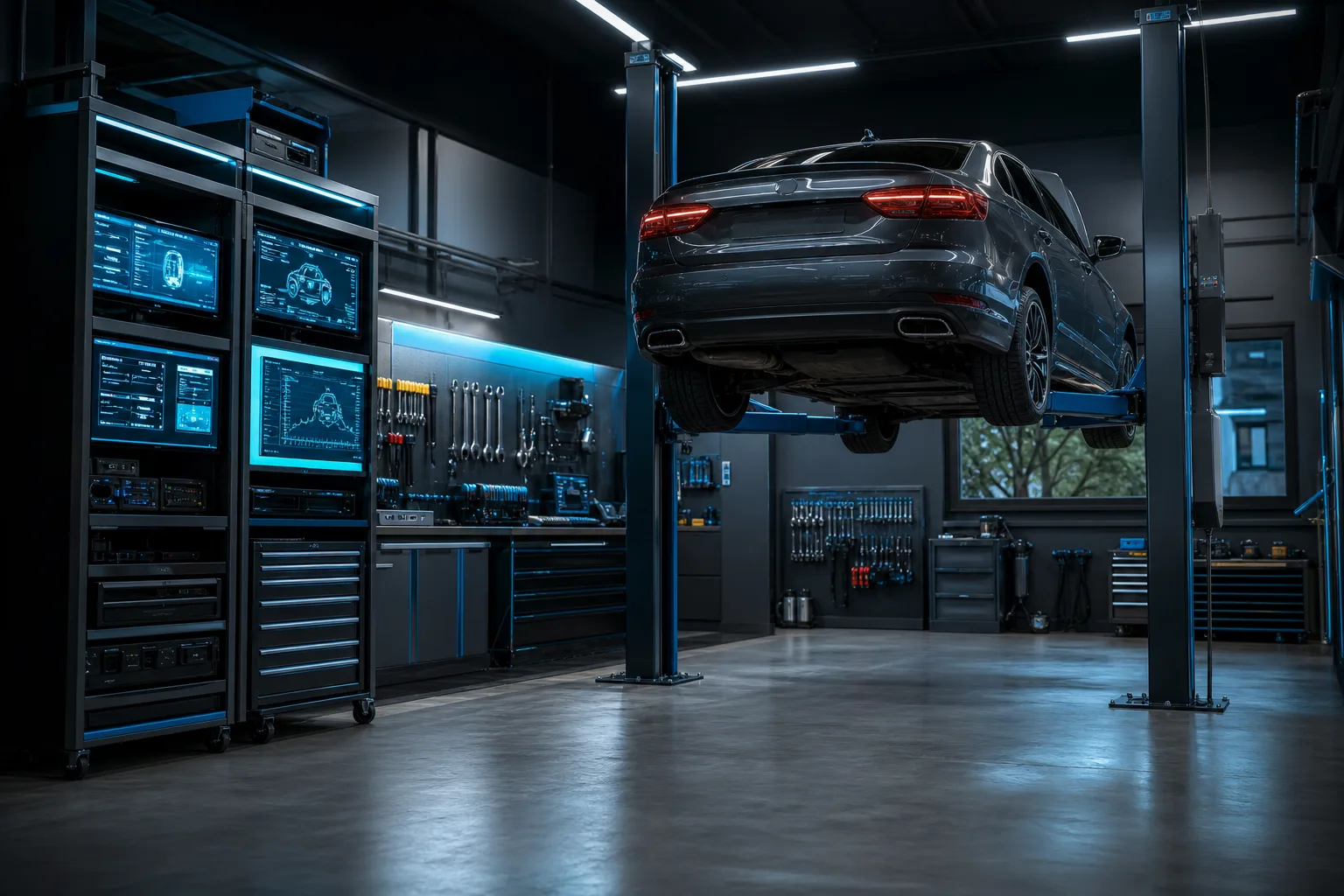
Early ontogenetix workshop bay with diagnostic equipment and vehicle on lift, 1200x800

From reactive bays to predictive practice

The founders of ontogenetix spent years inside traditional repair environments where the workflow revolved around symptoms: a light on the dash, a noise under load, a fluid stain in the parking lot. Skilled technicians fixed what had already declared itself broken. The approach worked — until it did not, when a single undetected weak point cascaded into collateral damage across neighboring systems.

Our Los Angeles facility was designed differently from the ground up. We invested in trend-capable scan infrastructure, vibration capture rigs, and fluid sampling protocols that produce repeatable baselines visit after visit. That historical thread is what transforms a routine inspection into a forecast — not a snapshot of health at one moment, but a trajectory you can read like a chart.

Today, ontogenetix serves individual owners and fleet operators who prefer scheduling repairs during planned downtime rather than absorbing the cost and disruption of emergency intervention. Our name reflects the core promise: identify the weakest link while it still holds, and give you the lead time to address it deliberately.
The wear-velocity philosophy

Every component has a current condition and a rate of change. We treat both as first-class data points.

01

Baseline without bias

The first visit establishes reference values across targeted assemblies — thermal profiles, oscilloscope signatures, fluid contamination markers, and electronic freeze-frame histories. We document conditions before recommending any intervention, because a forecast requires a starting coordinate.

02

Measure the slope, not just the point

A part within specification today may be degrading rapidly. We compare successive readings against manufacturer wear curves and our own aggregated fleet data to calculate degradation velocity — how many operating cycles or miles remain before performance crosses a critical threshold.

03

Translate data into a planning window

Raw numbers mean little without context. We convert analytical output into plain-language timelines: which component is most likely to fail first, how many weeks of normal driving remain, and what happens if the repair is deferred. You receive a ranked action list, not a generic maintenance pamphlet.

04

Repair with the forecast in mind

When intervention becomes necessary, our technicians execute precision repairs aligned with the predictive assessment — addressing root causes rather than surface symptoms. Post-repair scans update the trend line, closing the loop and refining future projections for your vehicle profile.

Inside the workshop

Physical capability and analytical tooling work together at our downtown Los Angeles facility.

Six dedicated service bays

Each bay is equipped for simultaneous mechanical access and live data acquisition. Lift capacity supports light passenger vehicles through medium-duty fleet vans, with isolated power supplies for sensitive electronic diagnostics during engine-off procedures.

Vibration analysis station

Frequency-domain capture for bearing, bushing, and driveline wear before audible noise develops.

On-site fluid laboratory

Transmission, engine oil, and coolant samples screened for metal content and contamination trends.

ADAS calibration lane

Radar and ultrasonic sensor alignment to OEM specifications with documented pre- and post-scan records.

Historical wear archive

Returning vehicles build a longitudinal profile that sharpens forecast accuracy over successive visits.

"A repair scheduled on your calendar costs less than one dictated by the roadside."

— Guiding principle at ontogenetix

Commitments we stand behind

  • Transparent scope before wrench time

    Every recommended repair is documented with the predictive evidence behind it. You see the data trend, the projected failure window, and the estimated labor scope before authorizing work.

  • Continuous profile refinement

    Each visit updates your vehicle wear profile. Forecasts become more precise as our system accumulates your specific operating patterns, load history, and environmental exposure.

  • No pressure, no manufactured urgency

    We distinguish between components that require immediate attention and those with comfortable lead time. Our role is to inform your decision — not to create anxiety around every yellow trend line on a diagnostic report.

Who relies on ontogenetix

Predictive diagnostics deliver value across very different driving profiles. Our protocols adapt to the failure modes most common in each category without applying a one-size-fits-all maintenance template.

Daily commuters and family vehicles

Stop-and-go traffic accelerates brake, cooling, and transmission wear in ways highway mileage alone cannot predict. We weight urban cycle data heavily when projecting remaining service life for passenger cars used primarily in city conditions.

Regional fleet and delivery operators

Downtime is measured in missed routes, not inconvenience. Consolidated reporting across vehicle groups highlights fleet-wide weak points — secondary air systems, oil cooler circuits, steering linkage — before they produce cascading failures across multiple units.

High-mileage and ADAS-equipped platforms

Modern safety systems degrade subtly — sensor contamination, mounting bushing wear, calibration drift — long before dashboard warnings appear. We monitor these layers alongside mechanical assemblies for owners who depend on driver-assistance features daily.

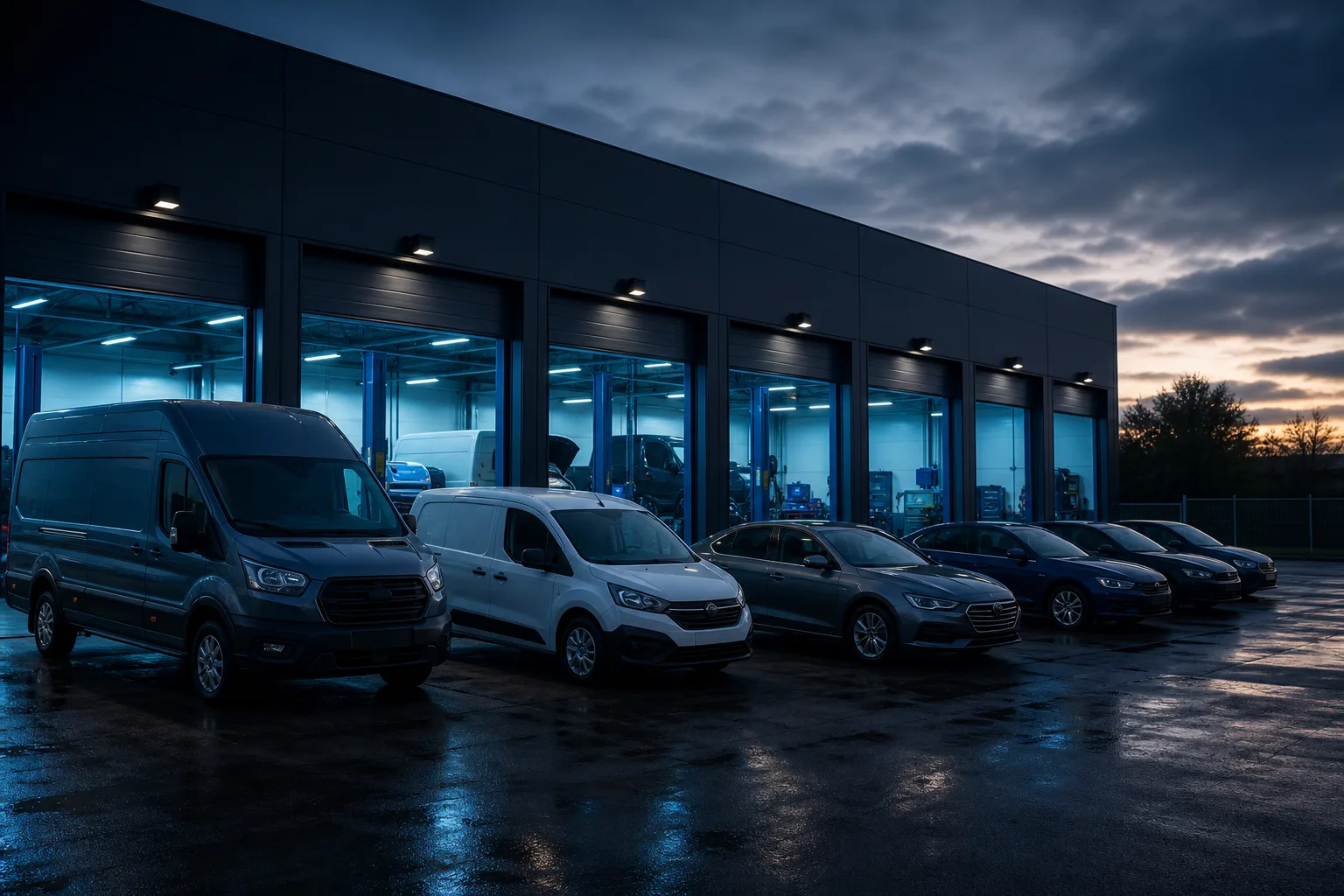
Fleet vehicles lined up for predictive diagnostics at ontogenetix workshop, 1200x800

Ready to plan your next service?

Speak with a ontogenetix specialist about predictive assessments, repair scope, or fleet program enrollment.

Contact Us

Explore our technical articles

In-depth guides from our diagnostic team covering wear signals, system-specific failures, and planning strategies for vehicle owners and fleet managers.

View Articles

Important information

ontogenetix provides automotive diagnostic assessments, repair consultations, and hands-on service for vehicle owners and fleet operators. Information published on this website is intended to help you understand our capabilities, methodologies, and the types of issues we address in a professional workshop environment.

Predictive wear assessments produce estimates based on available data, inspection results, and historical trends. Projected service windows and remaining component life figures are professional opinions, not guarantees. Actual wear rates depend on driving habits, load conditions, maintenance history, and environmental factors that may differ from modeled scenarios. We recommend discussing all findings with our technicians before making repair decisions.

Repair outcomes vary by vehicle age, prior service quality, and parts availability. ontogenetix does not warrant that any specific diagnostic result will prevent all future failures or that recommended interventions will resolve every related issue. You remain responsible for operating your vehicle safely and following manufacturer maintenance guidelines between service visits.

Content on this site does not replace the judgment of a qualified automotive professional inspecting your specific vehicle. If you experience warning indicators, unusual noises, fluid leaks, or changes in handling, contact us or a licensed repair facility promptly. ontogenetix accepts no liability for decisions made solely on the basis of website content without a direct consultation and physical inspection.