Driver-assistance systems depend on millimeter-level alignment. A radar module shifted by fractions of a degree, or a camera lens clouded by road film, can degrade lane-centering and following distance long before the vehicle stores a calibration fault.
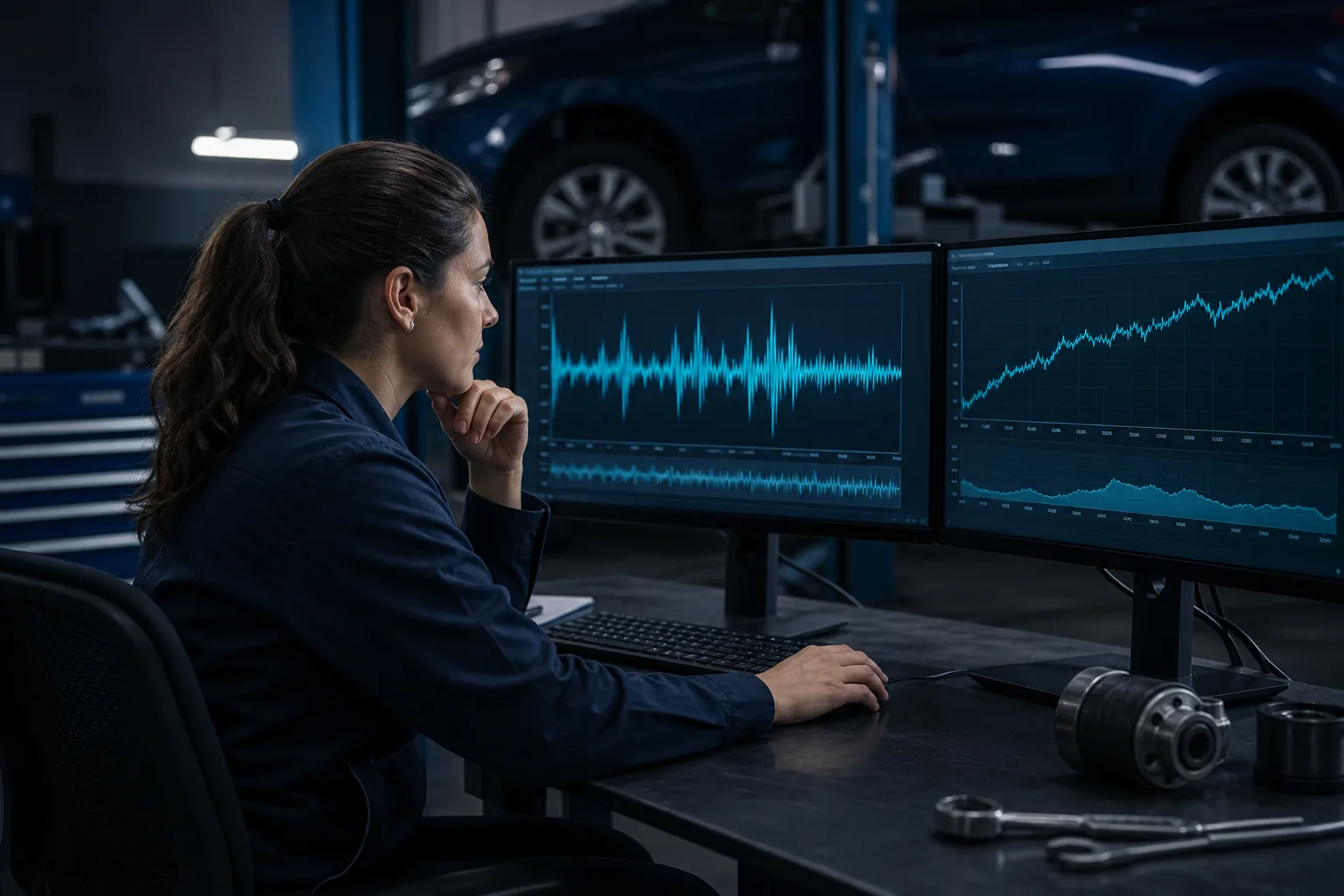
At ontogenetix, ADAS assessments run alongside mechanical predictive visits because sensor drift and suspension wear often share root causes — subframe bushing compliance, bumper bracket fatigue, and vibration-induced mounting looseness all affect both ride quality and sensor aim.
Why basic checks miss drift
Factory self-tests confirm that sensors communicate and respond to targets in a controlled environment. They do not necessarily verify that aim angles match the values stored at last calibration. A system can pass a functional check while delivering steering corrections that are consistently biased to one side or following distances that creep shorter over time.
Owners adapt to gradual changes — adjusting grip pressure, overriding lane assist more often, or dismissing occasional phantom braking as a quirk. Those behavioral shifts are often the first human-readable signal that sensor geometry has moved.
Common drift mechanisms
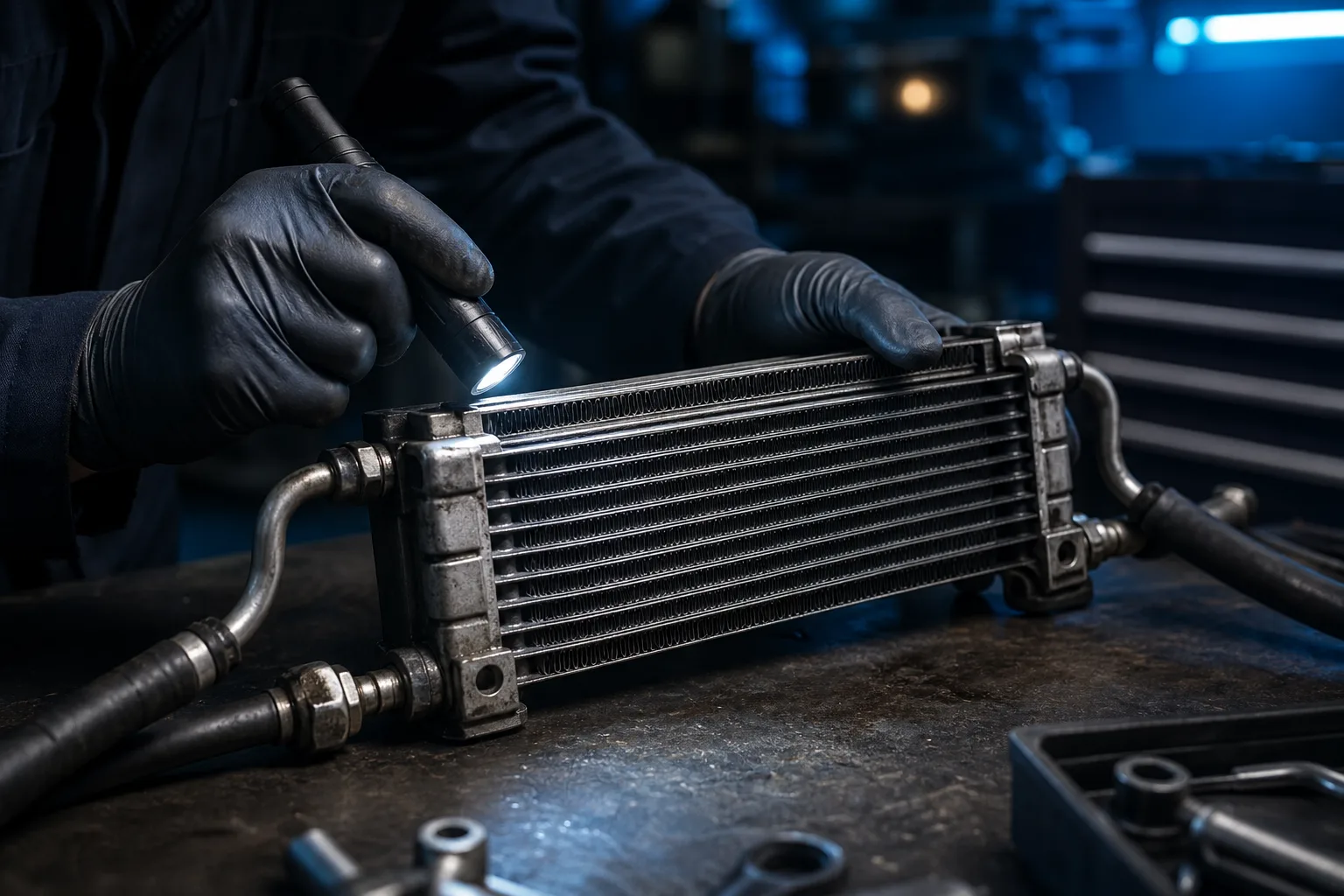
- Mounting bracket wear: Plastic brackets and foam isolators compress over years of vibration. Radar modules behind grilles are especially vulnerable to minor angular shifts after minor front-end impacts that do not trigger structural repair.
- Lens and aperture contamination: Infrared and visible-light cameras lose contrast through baked-on film, washer fluid residue, and micro-scratches. Radar domes accumulate road salt and paint overspray that attenuates return signals unevenly.
- Wheel alignment interaction: Lane-keep systems assume steering angle sensor zero points match actual travel. Alignment drift without recalibration produces persistent lane offset that no amount of camera cleaning resolves.
- Post-repair calibration gaps: Windshield replacement, bumper service, and suspension work all require verification against manufacturer targets. Skipping static or dynamic calibration leaves systems operational but geometrically wrong.
What our calibration lane measures
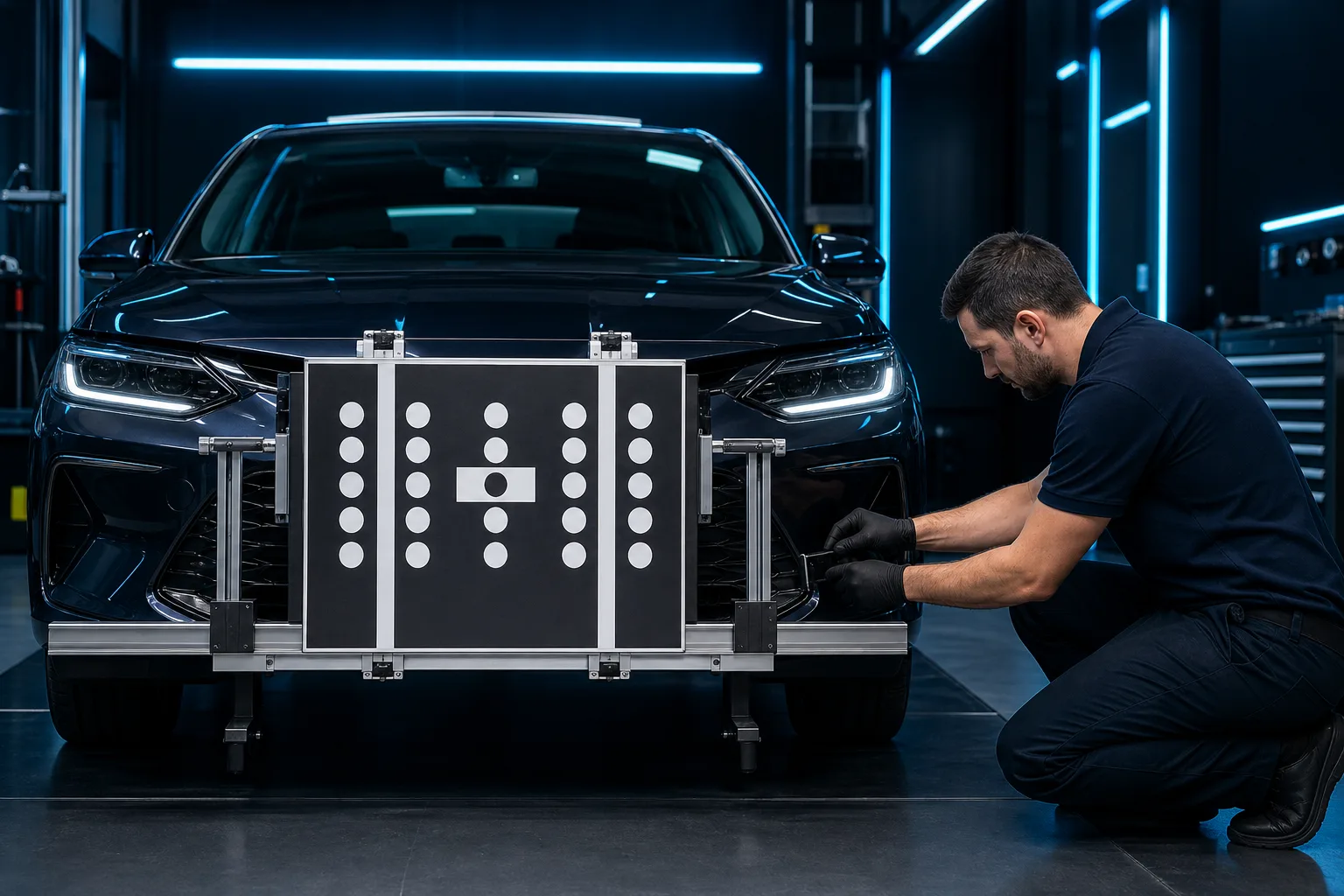
We compare live sensor aim data against OEM reference values using calibrated targets and scan-tool documentation specific to each platform. Ultrasonic parking sensors receive range consistency checks at multiple heights; radar modules are verified for horizontal and vertical offset; forward cameras are assessed for roll angle and horizon reference.
When drift exceeds tolerance but remains below fault-code thresholds, we document the deviation and estimate how quickly mounting wear or contamination is progressing. That forecast lets owners schedule recalibration or bracket replacement before the system disables itself mid-drive.
Integrating ADAS into predictive service
Treat driver-assistance hardware as a wear item, not a set-and-forget feature. Include sensor aim checks after any front-end work, alignments, or suspension component replacement. If you notice increased system overrides or unexplained braking events, request an ADAS baseline comparison at your next ontogenetix visit rather than waiting for a warning lamp.
Accurate sensors protect both convenience and safety margins. Catching drift early preserves the confidence these systems were designed to provide — without the surprise of a sudden deactivation on a highway merge.